
-
 files/b942c3d67beb3adb81b54c6696b50967.jpg
-
 files/42d381d6c390367a909480b08efde7a5_ad737b7d-cab2-46a1-9e48-c5e119036cae.jpg


GM Gen IV VVT Cam Phaser Limiter Tool
Cam phasers are specially designed, computer-controlled cam gears that automatically optimize camshaft timing based on the current engine rpm. Currently they are used in all 2005 and newer Ford Modular 3 Valve and all 2007 and newer GM L92 engines. Engine oil is pressure fed to the cam phasers through a series of passageways in the cylinder heads and camshafts. The engine computers control solenoids that adjust this oil flow into and out of the phaser's control chambers, giving the ability to retard the cams up to 60 crank degrees.
While this technology provides tremendous efficiency benefits, such as fuel efficiency and the ability to always be in the best position for maximum power, regardless of engine rpm, it does present some limitations when it comes to performance camshafts. With such a wide range of valve timing movement, there is very little piston to valve clearance, which limits you to small cam profiles with little overlap.
The COMP Cams® Cam Phaser Limiter Kits for Ford Modular 3V engines and GM Gen IV VVT (Variable Valve Timing) engines restrict the range of cam timing movement to only 20 degrees, thus providing the necessary valve clearance for serious performance cams with tighter lobe separations - all while still utilizing the benefits of VVT technology. Combining this performance modification with more aggressive cam profiles has resulted in some of the largest upper-rpm gains we've ever seem from such a simple valve train adjustment without sacrificing any bottom end or mid-range performance.
GM Gen IV VVT Cam Phaser Limiter Tool
Cam phasers are specially designed, computer-controlled cam gears that automatically optimize camshaft timing based on the current engine rpm. Currently they are used in all 2005 and newer Ford Modular 3 Valve and all 2007 and newer GM L92 engines. Engine oil is pressure fed to the cam phasers through a series of passageways in the cylinder heads and camshafts. The engine computers control solenoids that adjust this oil flow into and out of the phaser's control chambers, giving the ability to retard the cams up to 60 crank degrees.
While this technology provides tremendous efficiency benefits, such as fuel efficiency and the ability to always be in the best position for maximum power, regardless of engine rpm, it does present some limitations when it comes to performance camshafts. With such a wide range of valve timing movement, there is very little piston to valve clearance, which limits you to small cam profiles with little overlap.
The COMP Cams® Cam Phaser Limiter Kits for Ford Modular 3V engines and GM Gen IV VVT (Variable Valve Timing) engines restrict the range of cam timing movement to only 20 degrees, thus providing the necessary valve clearance for serious performance cams with tighter lobe separations - all while still utilizing the benefits of VVT technology. Combining this performance modification with more aggressive cam profiles has resulted in some of the largest upper-rpm gains we've ever seem from such a simple valve train adjustment without sacrificing any bottom end or mid-range performance.
- Regular price
- $25.96


Frequently Bought Together
-

Vendor: DFW Speed Syndicate
Offenhauser 6284 – Ford 240-300 High Performance Dual Port Intake Manifold
Regular price $669.00 -

Vendor: DFW Speed Syndicate
Remflex Exhaust Header Gasket Sets 3080
Regular price $53.00 -

Vendor: DFW Speed Syndicate
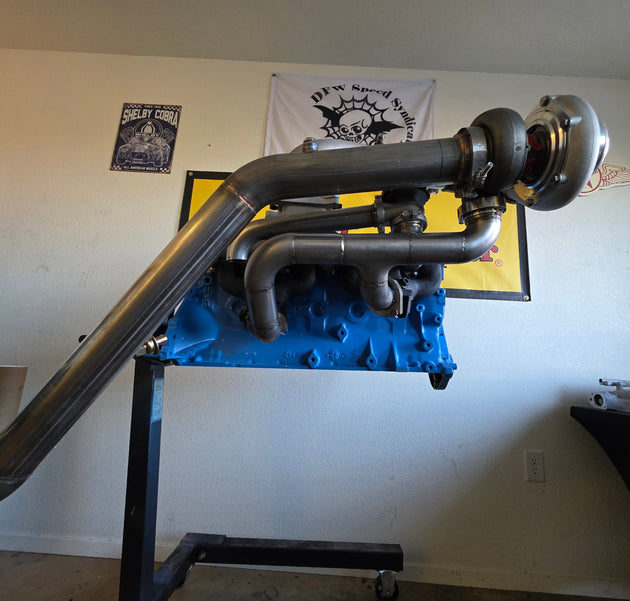
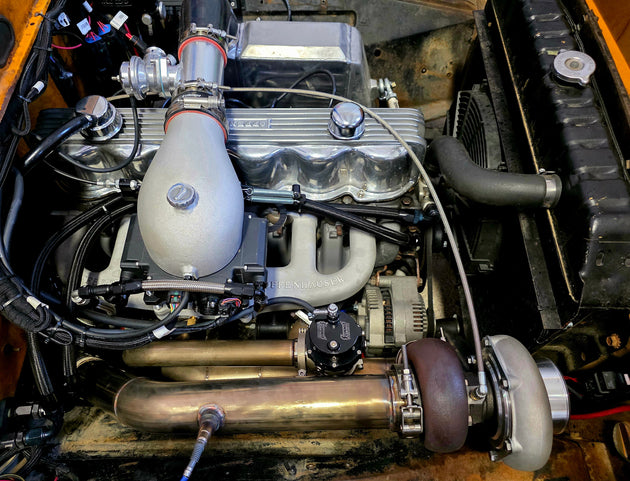
Syndicate6 EFI Exhaust Manifold Turbo Kit Ford 240/300 - 1965 to 1979
Regular price From $2,495.00 -

Vendor: DFW Speed Syndicate
EFI Exhaust Manifolds
Regular price $250.00


Product Description
GM Gen IV VVT Cam Phaser Limiter Tool
Cam phasers are specially designed, computer-controlled cam gears that automatically optimize camshaft timing based on the current engine rpm. Currently they are used in all 2005 and newer Ford Modular 3 Valve and all 2007 and newer GM L92 engines. Engine oil is pressure fed to the cam phasers through a series of passageways in the cylinder heads and camshafts. The engine computers control solenoids that adjust this oil flow into and out of the phaser's control chambers, giving the ability to retard the cams up to 60 crank degrees.
While this technology provides tremendous efficiency benefits, such as fuel efficiency and the ability to always be in the best position for maximum power, regardless of engine rpm, it does present some limitations when it comes to performance camshafts. With such a wide range of valve timing movement, there is very little piston to valve clearance, which limits you to small cam profiles with little overlap.
The COMP Cams® Cam Phaser Limiter Kits for Ford Modular 3V engines and GM Gen IV VVT (Variable Valve Timing) engines restrict the range of cam timing movement to only 20 degrees, thus providing the necessary valve clearance for serious performance cams with tighter lobe separations - all while still utilizing the benefits of VVT technology. Combining this performance modification with more aggressive cam profiles has resulted in some of the largest upper-rpm gains we've ever seem from such a simple valve train adjustment without sacrificing any bottom end or mid-range performance.
Customer Reviews
Similar Products
-

Vendor: DFW Speed Syndicate
Offenhauser 6284 – Ford 240-300 High Performance Dual Port Intake Manifold
Regular price $669.00 -

Vendor: DFW Speed Syndicate
Remflex Exhaust Header Gasket Sets 3080
Regular price $53.00 -
Vendor: DFW Speed Syndicate
Syndicate6 EFI Exhaust Manifold Turbo Kit Ford 240/300 - 1965 to 1979
Regular price From $2,495.00 -


Vendor: DFW Speed Syndicate
EFI Exhaust Manifolds
Regular price $250.00


